Followers

Monday, March 18, 2013

Most lovable accompaniments - NAAN (Sheermal or even called as Hyderabadi Kulcha)

Above: on left: Naan Shop packing  Sheermaal's (thats what they call Naan in Hyderabad) and on right: Common Sheermal (it is also available in various shapes like star, hearts, circle or triangles)

Sheermaals' are preferred accompaniment in Hyderabad apart from rice.  In Dusky morning on the streets of old city where Restaurants are first to open up for business, you will see these tiny shops open up as well.  Usually a Naan Shop are commonly found in Old cities baking and turning those hot steamy yummy sheermaal's from the tandoor that occupy 75% of their shop.  These shops are more than 100years old and the legacy is still on one after they other the recipe is still the same and making procedures are same old style.  You cant buy them a nice chick oven which can increase their batches almost triple.  But they wouldnt budge on all the electronics gimmicks as for them old tradition leaves and continue with generations to come.


above: ABBASI NAAN and MUNSHI NAAN (next to ABBASI NAAN not seen in picture) located on Purani Haveli are the oldest shops nearly 150 years old and still feed all old city patrons till date. They are famous and well known in entire Old city stretch.

I forgot to briefly explain what does it taste like and how is this made?  Well its a fermented dough made from refined flour and vegetable shortenings.  These are rolled square (common shape) thick in size and usually clarified ghee or melted ghee is applied on to it.  They are docked out with fingers or a roller which has spikes on it to allow them to puff only on the sides and not in centre in order to manage it well while removing from hot oven.  They are layed on a pillow and then ducked in the walls of the hot oven. 
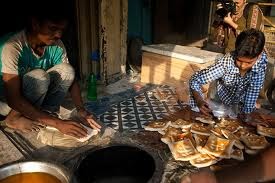

above:  naan maker laying the rolled sheermaal on the pillow and the boy arranging the cooked Sheermaal's. In the second picture naan maker is docking the sheermal with his fingers.

Sheermal is often taken instead of chapati's or roti's. In Hyderabad every house lined up outside these shops to buy them for breakfast and mostly these Naan makers are seen extremely busy preparing a huge wedding orders.  The commercially sold Sheermaal's are generally Square or Round in shape which can cost you INR 10 - 12 while smaller than the commercially sold Sheermaal's with other shapes are prepared for wedding or any other occassions.

 It is usually served with thin gravies and soups, Sheermal is served with Nahari, Korma's, Dalcha and other Saalan (gravy).  It can be called semi perishable item, since it is less moist so they can be stored for a week in Winter and Summer season while 2-3 days in Monsoon.

Sheermal is not restricted to celebrations only it is even served for prayers and offerings. Often kept in Nazar and Niyaaz (holy offerings).

When kept for long in summer season it tends to dry and turn hard.  These are broken into small pieces and cooked in piping hot Nihaari or Poor people dish is made called 'CHAKOLI' which is onion and tomato stock simmered, adding the dried Sheermaal's and cooked till it becomes tender.  This is truly a delight and is eaten as a complete meal along with some hyderabadi pickles.


Saturday, March 16, 2013

Accompaniment: Mirchi Ka Saalan

Its a side dish that goes well with all Biryani's

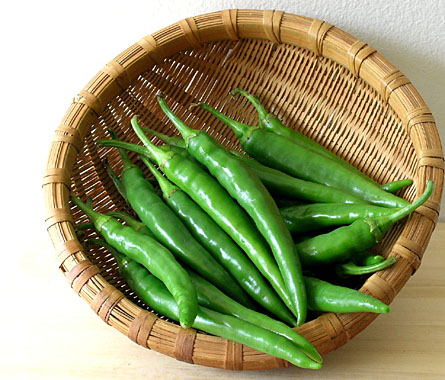
Mirchi Ka Saalan is sour, spicy gravy that is usually served as an accompaniment with all sorts of Biryani served. Mirchi that is used is generally less spicier.  Sometimes the chillies are added whole and some recipes require the chillies to be slit and seeds removed as the pungency and heat is extensively high in seeds of any chillies. These chillies (pic below) are used but you may also use serrano chilli peppers as a substitute for this chillies.

These chillies are cooked in wet masala and soured with Tamarind Pulp. When we talk about wet masala its some of the spices and condiments that are roasted and grounded into fine paste using water.  These are spices and condiments used for making wet masala.

for 500gms of Chillies you need following ingredients for wet masala:

1 Tbsp - Unprocessed shelled Groundnuts (Mungphalli)


2 inch piece of Dried Coconut (Sukha nariyal) sliced.


1 1/2 Tsp White Sesame Seeds (Til)


1 1/2 Tsp White Poppy seeds (Khus Khus)


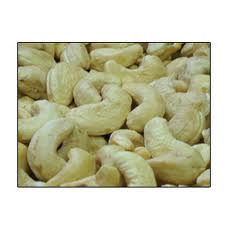
50 gms Plain dried Cashewnuts (Kaju)


1/4 Tsp Fenugreek Seeds (Methi Dana)


1 tsp Corriander Seeds  (Akkha Dhaniya)


1/2 tsp Cumin Seeds (Akkha Zeera)


On a griddle (Tava) dry roast all of the above ingredients. Transfer it in a mixer and make it into paste (little coarse texture - Halka Dardara)

Rest of the ingredients are:

2 Tsp of Red chilli powder (Lal Mirch powder)
1 Tsp of Turmeric (Haldi Powder)
1 1/2 tbsp - Ginger Garlic Paste (Adrak Lahsun ka paste)
3 medium onion sliced (Lal pyaaz)
200 gms Tamrind (Imli)


1 Tsp of Whole cumin (Zeera)
2-3 sprigs of Curry Leaves (Kadipattaa)
2 tbsp - refined groundnut oil
Salt to taste.
Water as required.

METHOD:
1] Prepare wet paste from the above ingredients (less coarser).
2] In a vessel wash and soak the tamrind for 30 minutes.
3] In oil fry onions till golden brown, remove and spread it on thali to make it crispy.
4] Fry slit whole green chillies for a minute in same oil and remove it on a seperate dish.
5] Add cumin seeds and curry leaves in the same oil. when the splutter add Ginger Garlic paste and fry.
6] Add all Red chilli powder and turmeric powder to it.  fry for a minute and then add the wet masala.
7] Continue to Stir fry masala till oil oozes out from it.
8] Add salt and little water if required.
9] Add fried green chillies, mix it well for 2-3 times. 
10] Squeeze tamrind pulp in same water in which it has been soaking. 
12] Put the tamrind in the vessel and continue cooking.  Take utmost care that Tamrind being sour can make your gravy very sour; ensure you check the taste while adding the tamrind pulp in batches.
13] Continue cooking till oil floats again on top.  It should take nearly 20 minutes approx.
14] Now crush the onions with hands into powder and add it in the gravy.  Crushed brown onions acts as a thickning agent and makes it thicker.
15] Adjust salt and other seasoning.
16] Servce hot with Biryani.

After its cooked.  Mirchi ka saalan will look like this


*
*courtesy: Image Juicy.....

Saturday, August 11, 2012

Food for Special Occasions

For every celebration there is special food here in Hyderabad.  Be it a happy moments, religious festivals or sad events.  Its always followed like a trend till date over here. 


Infact the newer generations are more experimental and enjoy food from different cuisines. But the charm of hyderabadi food doesnt fade away as it is on priority list.  When we talk about special food for special occasion they are standard and doesnt get changed most of the time.  Here lets not only explore the food part lets also look background of these festivals.

- First month of Islamic Calendar is MUHARRAM (usually every religion celebrate the start of their new year) but this month is a sad occasion and stands high in an eye of every muslim individual.  Its a month of Martyrdom of Imam Hussain a.s. (the grandson of Prophet Muhammed s.a.w.s.) and his household.  The month and the coming next month SAFAR (2nd month) are dedicated to biggest sacrifice in the whole mankind till date by Imam Hussain a.s. for saving Humanity and Religion. People refrain self from wearing colourful clothes, mostly wear Black, Greens and Blue shades and avoid reds, oranges, yellows or pink. Ladies remove their gold ornaments and do not wear them in these month.  People refrain themselves on all sort of entertainments during these months. Almost all special ocassions like weddings, birthdays, anniversary celebrations are avoided.  The months are observed with high solidarity and people gather in Majlis (large gathering) to enchant the sufferings of Imam and his household through Nauha, Marsiya, Salaam, Maatam and Hadees.  Since Imam Hussain a.s. and all the members of his household were denied water and food supply during the Battle of Karbala. People distribute water through sabeel and foods are distributed amoung community and to poor needy people with a motto that no body stays hungry.  A large procession is carried out during the 10th day of Muharram and 40th day after 10th Muharram where food and soft beverages like sherbet, cold drinks, Tea, Coffee are distributed by many to all the people in procession regardless of what religion they are. 


above: Muharram Procession on streets of Old city, location Kali Kamaan, and Charminar in backdrop.


In Hyderabad Muharram is the beginning of year with a feeling of grief and pain when people attend majlis they remember Imam cry and beat their chest (called Maatam).  All the attendees are called Azaadars and the host of such Majlises offer Sherbet as to remember thirst of our Holy Imam and his household.  People are served food or offered light snack items as Tabarrukat which is very holy for each Azaadars after the majlis conclude. Usually food is packed and distributed but many times it is served on a spread called 'Dastarkhawn'

The food that mainly served as Tabarrukat in Majlis are
- Biryani (to top it all)
- Kichdi, Khatta (sour thin chutney), Kheema
- Haleem
- Dum ka Murg aur Roti
- Khubuli
- Tarkari Pulao
- Baghara Khaana aur Dalcha
- Fried Rice (Indo Chinese style) with Tamate ka Kat
- Kawab aur Naan

Haleem and Biryani are on top list of the Majlis, however the most common food item is K3 (Khicdi, Khatta, Kheema).  Maily sweets are avoided but most basic sweet like Rawe Ka meeta (Suji halwa) is sometimes added.  There is wide variety of Bakery items that are part of the tabarrukat which I will explain it in my other post.

Hot and cold beverages are mainly - Doodh ka Sherbet, Loban smoked Sherbet, Nimbu Paani, Irani Chai, Kehwa, sometimes coffee is also served.

- RABI-UL-AWAL (3rd month) - it is third month and Muharram-ul-haram ends after crossing over Muharram and Safar month.  After 8 days are crossed in Rabi-ul-Awwal the end of Muharram is marked to the victory of truth and end of tyranny as killers of Imam and his househould are brought to justice during this day.  The last majlis is performed after then Ladies wear their jewellery, bangles and coloured clothes back.  Most of them wear new clothes and ladies apply Mehendi on their hands to mark the celebration.  The most unique food item commonly prepared and common in India are Bhajiyas (Pakoda) of all varieties.  These can be of any vegetables or fillings.

Sunday, July 15, 2012

Hyderabadi Kitchen Essentials - Khade Masale (Dry Whole spices)

This is the most important part one should always consider when they want to match 100% taste of any cuisine they prepare.  Herbs and Spices brings life to any food, it takes the taste of dish to great level and are the most essential part in any cuisine.  They are associated in lifting the aroma and flavor of any dish if used moderately acccording to their strength. 

Hyderabadi Kitchens also has great association with the uses of spices and herbs mostly invented during the reign of Nizaams.  Due to their uses made dishes divine and they are still immortal presently. These spices are the most common ones found any where & the most rarest ones which are seldom found in common markets.

It is highly impossible to imagine Hyderabadi food with these spices. What we commonly see in the market which are so called Biryani Masala or Garam Masala are not at all good enough to bring similar taste in dish as they have spices which are not at all associated with biryani, they also looses it aromas even though they are sealed pack and has many fillers.  The essense of freshly ground spices have a suttle aroma which ones added releases volatile oil and peps up your dish...

So here let me introduce you to some of the essential spices and herbs widely used in all Hyderabadi Delicacies.

  • Kabab Chinni (Cubeb Pepper) - very sharp and distinctive flavors this one is rarest spice found.  It is widely used in Hyderabad as the name suggest its usage is common in Kabaabs but not restricted to other dishes.  Looks similar to Blackpeppercorns Kernels with a small stick coming out, It has very sharp, bitter and spicy taste quite similar to Black peppercorns and Ajwain.  Because of its bitterness one has to sensibly use this spice.  Just 4-5 kernels are sufficient to aromatize small (1 kg) dish. Kabab Chinni are used in Dum ka Murgh, Dum Ka Kheema, Haleem, Pasindeh and all sorts of Kabaabs (Tandoori or tawaa cooked).

  • Shah zeera (Carraway Seeds) - all the Mughlai cuisines have a common spice used in all their special cooking it is called Shah Zeera. Shah Zeeras are tiny Cummin seeds lookalike but has more intense and strong flavor compare to Cummin Seeds (Zeera).  They too have bitter oils and should be used moderately.  Many Biryani lovers dont know that Shah Zeera is so important in Biryani preparation and if its not used you will never get that authentic biryani.  Apart from Biryani it is widely used in almost all sorts of Hyderabadi meat preparations be it chicken, beef, mutton and egg dishes. 


  • Pathar Ka Phul (Dagad Phool) (Black stone flower) - its a dried weed that grows on black stone.  Dagad phool are commonly found in any markets or with spice smiths and it has uses in many dishes in Hyderabadi.  Mostly in Nalli Nihari, Paya, Murgh Shurva, bagahara baigan.  Similar to those of sweet pepper it has quite mild aromatic flavor it is not only used for aromas in soup preparations but also used as soup thickners.

  • Dal Chinni (Cinnamon Stick) - because of its sweet aroma and flavor Cinnamon balances bitterness of other spices in preparations.  Every one knows Dal chinni quite well but there are two different variety the rolled stick and the bark stick of tree.  The Bark of tree type of cinnamon is used in Hyderabadi food as its more stronger than its other variety, mostly found in India in any grocery store.  Its used in all food preparations like Biryanis, Kormas, Nahari soups, Kabaabs, Baghara Saalan and even Dalcha Gosht.


  • Kali Miri (Black Peppercorns) - once known to be expensive spices of all and compared to gold back dated.  This spice is now essentials in all kitchen be it in India or abroad.  Black Peppercorns has a strong sharp spicy flavor and used either in powdered form or whole.  Mostly used in Biryanis, Kormas, Pasindeh and Nahari its used with other chillis just to balance the pungency of dish and bring out the flavor which a Chilli spice cant do.
  • Tez Patta (Indian Bay Leaf) - this spice need no introduction as such. Tejpatta is known to everyone around the world like some of the spices above.  It is associated with curry leaves but they taste completely different and has very strong essential oil that brings more taste to the dish.  Bay leafs can be found in any hyderabadi kitchen and are part of Khada Masala (whole spices).  They are used in Nahari, Kormas and Biryani's mainly and other rice preparations.

  • Hari Elaichi  (Green Cardamoms) - Green Cardamoms are one of the varieties of cardamoms it has sweet flavor and great aroma.  Due to its highly sweet flavor they are commonly used in sweet preparations like Double ka Meetha, Dil-e-firdaus (Thick Kheer) and Biryani.  Other than Shah Zeera its important in biryani both in gravy preparation and rice preparation. They are also used in Irani Chai.

  • Elaichi - strange but these are considered similar to green cardamom.  However most people dont know that they are slightly milder than green cardamom in taste but has strong aroma. These are widely used cardamoms as they are easily available in market compare to the green ones.  They have slightly brownish skin and little large than green cardamoms.  They are used in all types of curries of Hyderabad. 
  • Badi elaichi (Black Cardamom) - as the name says it all in Hindi as Badi (big) this spice is the most strongest of all the elaichis and spices as well.  Their color are darkest brown to black and they are bigger than other two elaichis.  This spice is used quite moderately in biryani's rice preparation, gravy preparation. But one has to really use them sensibly as if used in larger quantity can spoil the taste of the dish. 


  • Laung (Cloves) - laung has been one of the essential spice found in almost all kitchens.  Many indian houses still store them and use them for their flavors and aromas beside this they are also used for their medicinal properties.  They have volatile oil in it which is why they are used mostly whole and seldom used in powdered form.   
  • Javithri (Mace) - mace has been associated with many mughlai cooking.  Here in Hyderabad its also used in some rich gravies and also in Biryani.  Mace has a milder taste and aroma, infact its still used in moderation due to its heat.  They are the outer covering of Nutmeg (Jauth) which is also used in cooking. 
  • Jauth (Nutmeg) - Nutmeg has mild aroma and very sweet intense flavor its a seed which is encased in Mace.  Mostly used in Biryani's and sweet preparation.  Nutmeg are widely used in all cuisines around the world and also in Hyderabad to enchance flavors.

  • Kalonji (Nigella Seeds or Onion Seeds) - very rarely used this spice is used in few preparations but they are no strange spice in Hyderabadi Kitchen.  It is used mostly for pickles and famous Hyderabadi veg dish Baghara Baigan, Mirchi Ka Saalan and Baghara Tamatar.
OTHER DRY SPICES WIDELY USED:

1] Akkha Dhaniya [Corriander Seeds:]


2] Methi daana [fenugreek seeds]:
3] Zeera (Cumin seeds)


Sunday, July 8, 2012

Daily Home made Recipes from Hyderabad (Kaddu Channe ki Daal Ka Saalan)

Dear Friends,

Over here i will share some of the delicious and simple to make daily recipes from a typical Hyderabadi house.  Here not only i will show Non Vegetarian but there is lot more for a Vegetarian bloggers.  You should try this at home and i vouch they will be yummy.


A walk through Hyderabadi Culture and Food - Past and Present

Hello friends,

India is diverse in its culture, its people their lifestyle and ofcourse food.  On this map of diversity food has its own importance as every reigon has something special to offer in cuisine .  India has some of most loved regional cuisines amoung them.  One of them is Hyderabadi Cuisine which is not only loved by its taste and aroma but has a royal connections dated back during the reign of Nizam'z era and their undaunting love for food.

Nawab Quli Qutub Shah was involved in briefing his Khansama (Bawarchi's) of what he would love to eat and what they should include in his food.  For all his high profile meeting over meals he use to scrutinize the menu giving suggestions and from there the major turns came in Hyderabadi Cuisine.


Nizam's legacy has taught each and every generations on how to enjoy their supper but using variety and different cooking technique moreover their chefs called Bawarchi's whose generations are still practising these methods of preparation.gaining so many aspects and influence from other cuisines they are inculcating these practices to enchance the flavors to great level. 

Coming back to the traditional methods Hyderabadi Cuisine has never lost its charm and still are top favorites in any Indian Restaurant.  Many food lovers relish on these dishes with younger generations also enjoy them the most. People feel that these dishes are more complex and need lot more precision to prepare them.  But its not the case as it appears, with simple ingredients you can make these difficult dishes from this reigon.  Infact a touch of innovation in the traditional preparations wont let you down.

 But do we need the infusions in a traditional Hyderabadi cuisine to make it more subtle and more sumptuous? well many feel that traditional methods are more effective but they dont know that a small variations add more richness and innovation in a simple traditional dishes. As i mentioned earlier about the generations of Bawarchis from Hyderabad adopting various other methods and ingredients in present era, over here we are not only going to see more traditionals way of food preparation but we will also learn how innovatively we can twist the taste without affecting the dish.


Last Nizam:  Osman Ali Khan Pasha was the last Nizaam of Hyderabad had great love for his people and organized lavish events for major celebrations in Hyderabad where FOOD was the highlight of the events.